


World Mosquito Day. Every August 20, invites us to pause, reflecting on a discovery that changed the path of medicine and reminds us of the enduring impact of these tiny but powerful insects.
Why this day is celebrated
This observance commemorates Sir Ronald Ross’s landmark finding in 1897: that female Anopheles mosquitoes transmit malaria between humans. His work ushered in modern methods of disease prevention, like mosquito nets and vector control campaigns.
What’s important to know about World Mosquito Day
Mosquitoes belong to the family Culicidae, encompassing around 3,600 species. While both sexes feed on nectar, females of certain species, like Anopheles and Aedes, also feed on blood to produce eggs, which enables them to spread pathogens. Annually, mosquito-borne illnesses affect hundreds of millions and result in over one million deaths worldwide.
The link between mosquitoes and human health|
World Mosquito Day
Mosquitoes are the deadliest animals globally because of their role in transmitting diseases such as malaria, dengue, Zika, yellow fever, chikungunya, West Nile virus, and others. These illnesses account for a large share of global infectious disease burden, vector-borne diseases represent over 17 % of all such illnesses and cause more than 700,000 deaths annually.
Prevention and public awareness
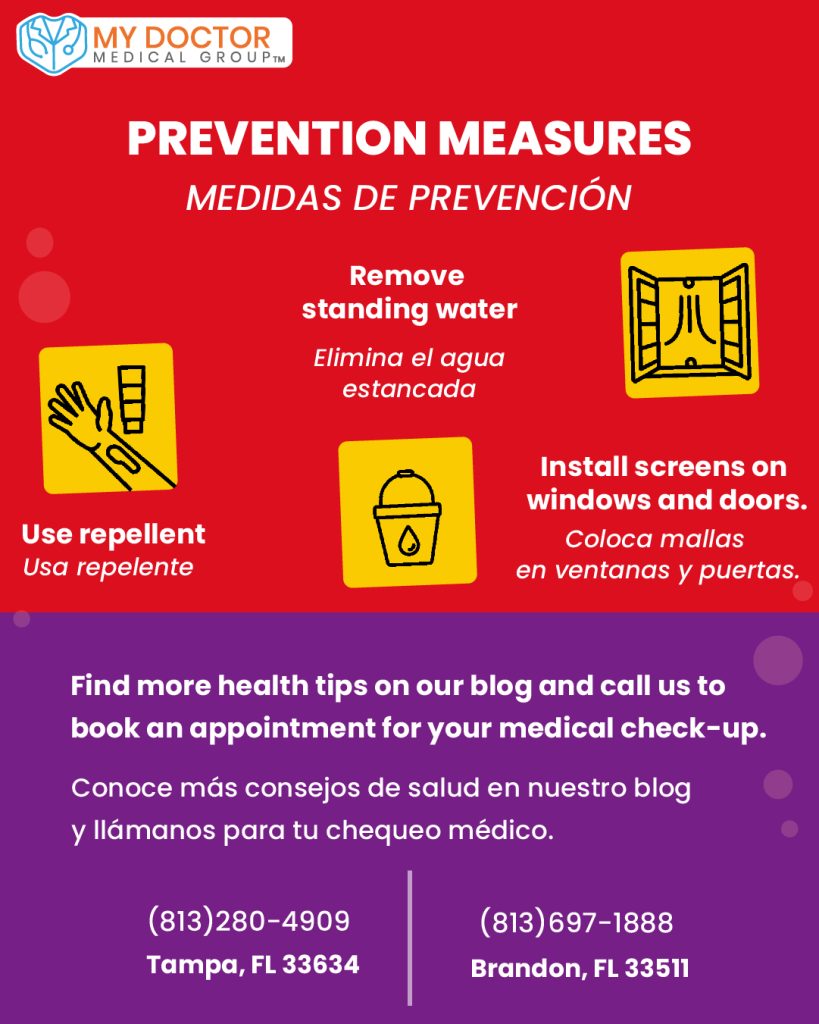
- To protect against mosquito bites, use insect repellent containing DEET, picaridin, or oil of lemon eucalyptus.
- Wear light-colored, long-sleeved clothing, especially during dawn and dusk when mosquitoes are most active.
- Eliminate standing water around homes to reduce breeding sites.
- Install window and door screens to keep mosquitoes out of living spaces.
- If traveling to areas with high mosquito-borne disease prevalence, consult a healthcare provider for vaccines or preventive medication when available.
- Public awareness campaigns encourage community-wide efforts such as regular inspections, drainage cleaning, and the use of mosquito nets in high-risk areas.
Prevention is not only a personal responsibility but also a public health necessity. Discover more about our health services, our commitment to prevention, and how you can stay protected, book an appointment today to learn how we put your well‑being first.
World Mosquito Day | Important facts to remember
- Only female mosquitoes bite humans, as they need blood to produce eggs.
- Mosquitoes can detect carbon dioxide from over 30 feet away, helping them find their hosts.
- Some mosquito-borne diseases, like dengue and Zika, currently have no specific treatment, making prevention essential.
- Using a combination of physical barriers (nets, screens), chemical repellents, and community sanitation efforts offers the best protection.
- Climate change and globalization are expanding mosquito habitats, increasing the risk of disease in new regions.
Sources
ISID, NDTV, Wikipedia (World Mosquito Day data)
Wikipedia, World Mosquito Program (mosquito facts)
WHO, World Mosquito Program (global impact data)
Artemis Hospitals, Graphic Era Hospital blogs (importance of prevention)
 English
 Spanish