


Lung Cancer Awareness Month is a vital time to educate ourselves and others. While smoking is a major risk factor, many other causes exist, and early detection can greatly improve outcomes. Seniors, in particular, benefit from being proactive and informed.
November is Lung Cancer Awareness Month, a time to shine a light on the most common cause of cancer death in the United States. It’s a moment to raise awareness, educate, and encourage early detection to improve survival and quality of life, especially among seniors.
What is Lung Cancer Awareness Month?
Every November, organizations like the American Lung Association and the Lung Cancer Research Foundation lead a national campaign to raise awareness about lung cancer. The goal is to highlight facts, debunk myths, support those affected, and promote preventive strategies. This effort helps ensure that people understand the risks and feel empowered to take control of their health.
Why this matters for seniors and their health
The scope of the issue
- Lung cancer is the leading cause of cancer-related death in the U.S. among both men and women.
- In 2025, an estimated 226,650 new cases and 124,730 deaths are expected from lung cancer.
- Most lung cancer cases are diagnosed in people aged 65 and older.
- Worldwide, lung cancer causes more deaths than breast, colon, and prostate cancer combined.
Risk factors and warning signs | Lung Cancer Awareness Month
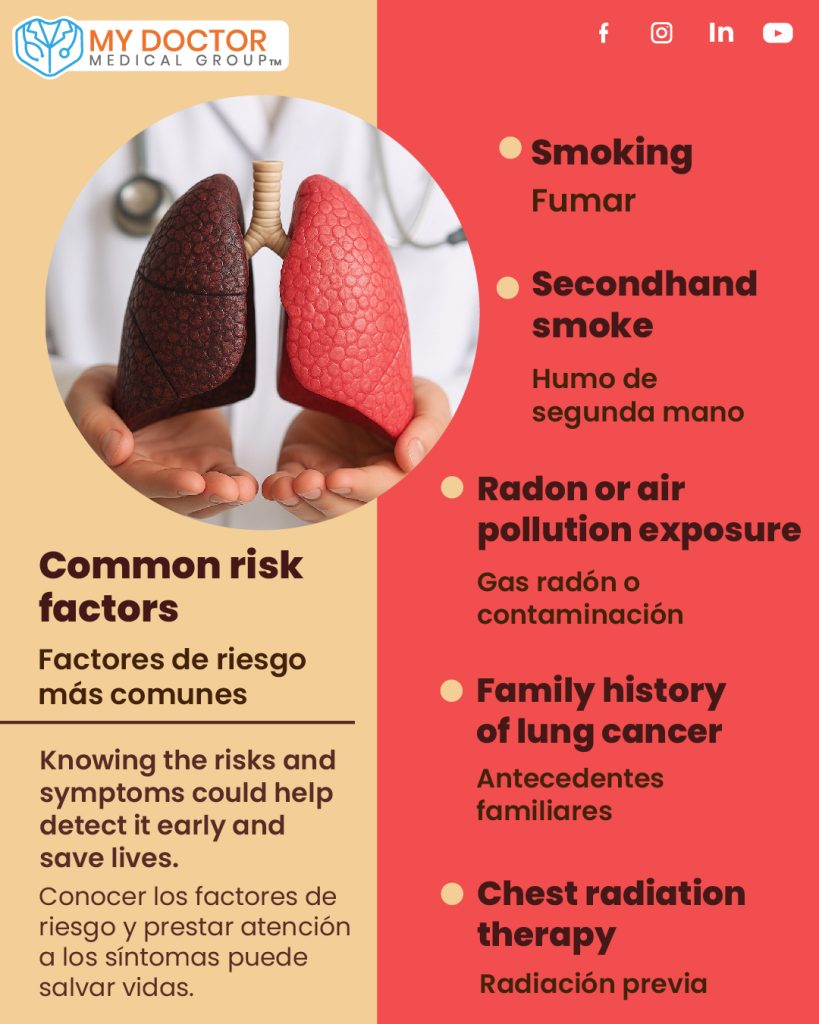
Risk factors include:
- Smoking (primary risk factor)
- Secondhand smoke exposure
- Long-term exposure to radon gas or air pollution
- Workplace exposure to asbestos, diesel exhaust or other chemicals
- A family history of lung cancer
- Previous radiation therapy to the chest
Common warning signs:
- A persistent cough
- Chest pain
- Shortness of breath
- Coughing up blood
- Unexplained weight loss
- Fatigue
Even people who have never smoked can develop lung cancer, so it’s important to pay attention to symptoms and risk factors regardless of smoking history.
Prevention and early detection | Lung Cancer Awareness Month
Steps to reduce your risk
While not all lung cancers can be prevented, these actions can significantly lower your risk:
- Avoid smoking: If you smoke, quitting is the most important step you can take for your lung health.
- Stay away from secondhand smoke: Avoid environments where others smoke.
- Test your home for radon: This natural radioactive gas can build up indoors and is a known cause of lung cancer.
- Use protective equipment at work: Especially if you are exposed to harmful substances.
- Eat a balanced diet: A diet rich in fruits and vegetables may help lower cancer risk.
- Exercise regularly: Physical activity improves lung capacity and overall health.
- Avoid exposure to air pollutants: Limit time outdoors when pollution levels are high.
- Talk to your doctor about screenings: Especially if you are a current or former smoker aged 50 or older with a history of heavy smoking.
What you can do this month
- Wear a white ribbon to show support and spread awareness.
- Share information with friends and family, especially those at higher risk.
- Encourage loved ones to speak with their doctors about lung health and screenings.
- Learn more about environmental risks like radon and air quality in your area.
- Support organizations that fund lung cancer research and patient support.
Take this month as a reminder to prioritize your health. Book an appointment for your routine medical check-ups and speak with your healthcare provider about any concerns. Prevention and early detection can make all the difference.
Sources:
- Centers for Disease Control and Prevention (CDC)
- American Lung Association
- Lung Cancer Research Foundation
- World Health Organization (WHO)
 English
 Spanish