


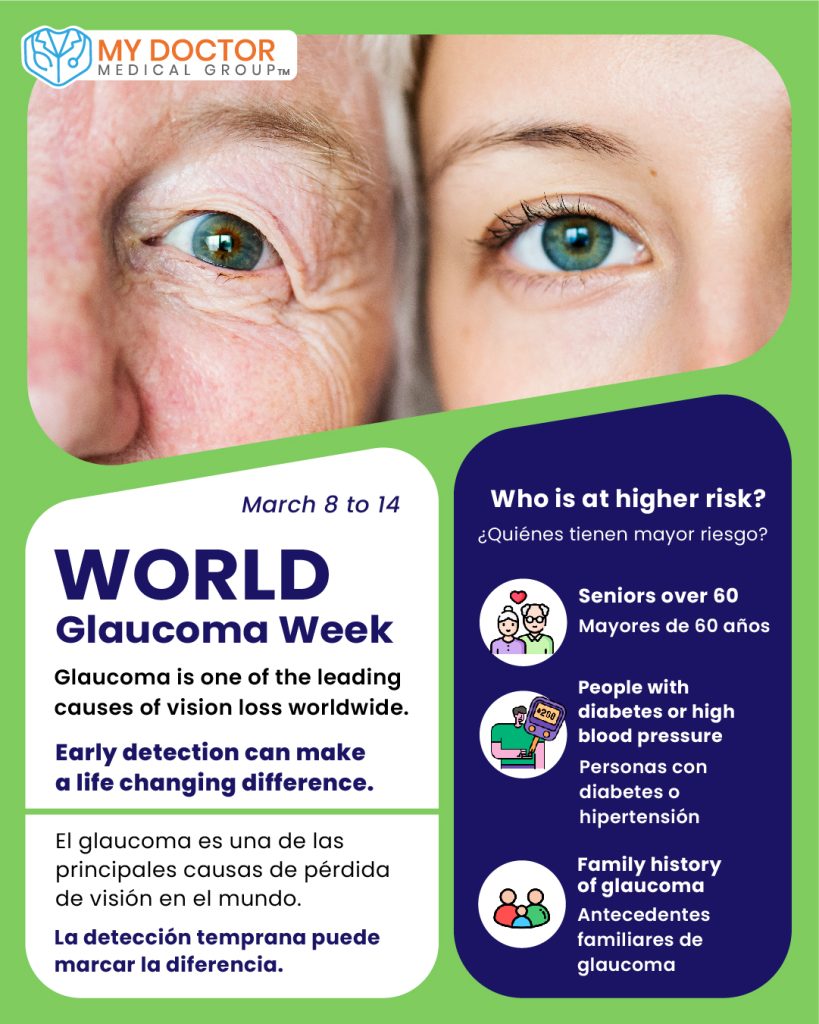
During glaucoma week, we highlight the importance of early detection of this silent eye disease that can affect vision without noticeable symptoms in its early stages. Staying informed, having regular eye exams, and acting preventively can make a significant difference for senior individuals in Tampa, Florida.
What is glaucoma and why early detection matters?
Glaucoma is a group of eye diseases that damage the optic nerve, often due to increased pressure inside the eye. According to the American Academy of Ophthalmology and the Centers for Disease Control and Prevention, it is one of the leading causes of vision loss among senior populations.
One of the biggest concerns is that glaucoma often develops without early warning signs. Vision loss usually starts with peripheral vision and progresses slowly. By the time noticeable changes occur, the damage may be permanent.
Most common types of glaucoma
Open angle glaucoma
This is the most common form. It progresses slowly and painlessly. Many people are unaware they have it until it reaches an advanced stage.
Angle closure glaucoma
Less common but more severe, it can appear suddenly with intense eye pain, redness, blurred vision, and nausea. It requires immediate medical attention.
Normal tension glaucoma
This type can occur even when eye pressure levels are within normal range, which is why a comprehensive eye exam is essential.
- Risk factors in senior individuals: After age 45, the risk increases, particularly for those who have:
- Family history of glaucoma: Having close relatives with glaucoma significantly raises the risk.
- Elevated eye pressure: High intraocular pressure is a major risk factor.
- Diabetes or high blood pressure: These chronic conditions can affect eye health and increase the risk of optic nerve damage.
- African american or hispanic background: Research shows higher prevalence rates in certain populations.
The importance of regular eye exams in Tampa, Florida
In Tampa, Florida, where many families include active senior individuals, prevention plays a key role. A comprehensive eye exam typically includes:
- Measurement of intraocular pressure
- Evaluation of the optic nerve
- Visual field testing
- Drainage angle assessment
Early detection allows timely treatment, which may include prescription eye drops, laser therapy, or surgical procedures as recommended by a healthcare professional. While vision damage cannot be reversed, progression can often be slowed with proper care.
If you or a loved one is over 45 and has not had a recent eye exam, now is the time to take action. We invite you to learn more about our preventive healthcare services for senior patients in Tampa and book an appointment with our medical team.
How to care for your eye health during glaucoma week?
- Maintain healthy habits: Keeping blood pressure and blood sugar levels under control supports overall eye health.
- Do not ignore vision changes: Blurred vision, loss of peripheral vision, or eye pain should be evaluated promptly.
- Stay consistent with medical checkups: Even if you feel well and have no symptoms, regular exams are essential.
A final message for senior individuals and their families
Glaucoma week is an opportunity to raise awareness about a condition that can silently affect quality of life. The good news is that with proper information, prevention, and medical follow up, vision can be protected.
At our clinic in Tampa, Florida, we are committed to comprehensive care for senior patients. We encourage you to learn more about our wellness and preventive programs and book an appointment for a complete eye health evaluation.
 English
 Spanish